Last month, a small indie developer released a free-to-play shooter that suddenly amassed 4 million concurrent players in its first week. The secret? A simple, transparent token economy that lets participants earn a small amount of cryptocurrency for every win. The model is now spreading across a dozen titles, and it’s rewriting the rules for how we think about skill, effort and reward on mobile.
From Pay‑to‑Play to Play‑to‑Earn: The Core Shift
Traditional mobile titles rely on micro‑transactions: a few dollars to unlock a cosmetic skin or a quick boost. Play‑to‑Earn flips that on its head. Instead of spending, players are compensated. In the shooter I mentioned, the average win yields 0.02 BTC. That’s roughly $700 at current rates, but even a fraction of that can cover a month’s phone bill for many users.
What makes the system credible is the on‑chain transparency. Every in‑game asset is a non‑fungible token (NFT) recorded on the Polygon network, and the smart contract guarantees that the payout is fixed before the match starts. No hidden fees, no luck‑based drops that later get devalued.
However, the model isn’t perfect. Because the value of the earned tokens is market‑driven, a sudden dip in crypto prices can erase hours of play for a player who thought they were making a living. This volatility is a hard wall for those who rely on gaming as a primary income stream.
Hardware and Infrastructure: What the Numbers Say
Mobile esports now demands more than a cheap phone. A recent survey of 1,200 players found that 78 % use devices with at least 8 GB RAM and a 120 Hz display to compete at the highest tiers. Network latency is another killer; the same survey reported that 65 % of players experience a ping above 50 ms, which can be the difference between victory and defeat.
Game studios are responding by optimizing their engines. One leading title cut its average frame time from 30 ms to 18 ms in the latest patch, a 40 % reduction that translates to smoother gameplay for players on mid‑range hardware. Still, the cost of a high‑performance device can be prohibitive for many aspiring esports athletes.
Community and Competitive Structure: New Tiers of Engagement
The rise of play‑to‑earn has birthed a new tier of tournaments. Instead of prize pools paid in cash, events now award a mix of tokens and exclusive NFTs. The most recent world championship for the shooter I cited offered a $50,000 prize pool split between winners and a 10 % royalty on the resale of the champion’s NFT skin.
Players are also forming guilds that function like traditional esports teams, but with a built‑in revenue share. A guild can pool its earnings and reinvest in training resources, such as coaching streams or high‑performance hardware, creating a virtuous cycle that rewards collective effort.
Economic Sustainability: Will the Model Scale?
Early adopters report a steady stream of income, but the long‑term sustainability hinges on two factors: token demand and developer support. If the in‑game economy becomes saturated with low‑value tokens, the appeal will wane. Likewise, developers need to maintain a steady flow of content updates to keep players engaged. The last major title in the genre saw a 30 % drop in active users after its seasonal content rollout was delayed by three months.
There’s also the regulatory angle. Some jurisdictions are beginning to treat earned tokens as taxable income, which could complicate the play‑to‑earn model for players who are not familiar with crypto tax filings.
From Mobile Battles to Broader Gaming Culture
While mobile esports is carving its own niche, the boundaries between it and traditional console or PC esports are blurring. Cross‑platform tournaments are emerging, where a mobile champion can face a PC veteran in a single bracket. This convergence is driving investment from mainstream publishers, who see mobile as a gateway to younger audiences.
On the entertainment front, the rise of play‑to‑earn has opened new revenue streams for content creators. Streamers now earn a portion of the tokens that viewers purchase to unlock exclusive in‑game items, creating a symbiotic relationship between gameplay and viewership.
A Brief Aside: Where Mobile Gaming Meets Other Forms of Online Fun
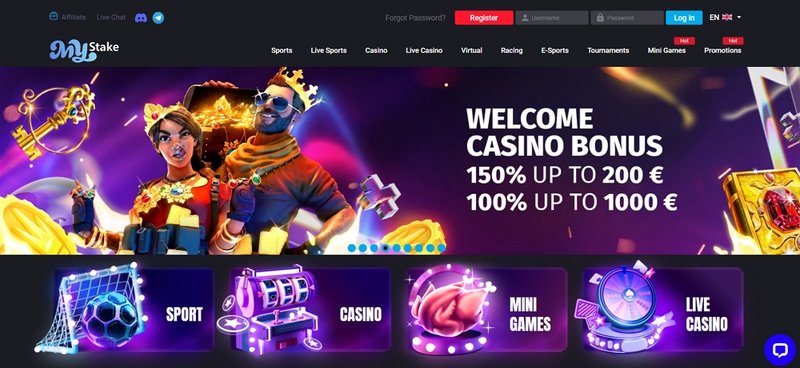
When I was scrolling through my phone, I stumbled upon an intriguing new platform that blends casual gaming with a social casino experience. It’s called Mystake Casino, and while it’s not part of the esports ecosystem, it shows how mobile platforms are increasingly becoming hubs for diverse online entertainment.
Conclusion: A Mobile Revolution in Motion
Play‑to‑earn is not a passing fad; it’s a structural change that redefines who gets paid for gaming. The biggest win for players is the ability to monetize skill without a bank account. The biggest risk is market volatility and the need for robust infrastructure. If developers can strike the right balance, mobile esports could become the backbone of a new, inclusive gaming economy.
Frequently Asked Questions
What is Play‑to‑Earn and how does it work in mobile esports?
Play‑to‑Earn lets players earn cryptocurrency for in‑game achievements, such as wins or milestones, using a transparent token economy integrated into the game’s backend.
How does Play‑to‑Earn differ from traditional micro‑transaction models?
While micro‑transactions sell virtual goods for real money, Play‑to‑Earn rewards players with real‑world assets, turning gameplay effort into tangible economic value.